Sacred Vine Dieta
The dieta is not just about avoiding certain foods but is about discipline, sacrifice, and commitment. The restrictions are in place to help cleanse the body so the plant medicine can work most efficiently. The dieta restricts many spices, salt, and pepper. It also includes periods of abstinence from sex or sexual activity. The idea is that the blandness of the food and the lack of sexual stimulation/excitement, can help heighten sensitivity to the plant medicine spirit. The following dieta is about respect, for the sacred plant spirit, and for your commitment to this journey.
NO Drug Use for 30 days - this includes prescription and all recreational drugs
NO Alcohol for 14 days
NO Sexual Activity for 14 days (sexual intercourse or masturbation)
Diet- 14 days prior to ceremony, please refrain from:
Salt
Sugars or Artificial Sweeteners
Red Meat, Pork, Animal Fats
All Fermented Foods, Soy Sauce, Miso, Sauerkraut
Dairy Products, Aged Cheeses
Caffeine (coffee, tea, sodas)
Carbonated Drinks
Hot Spices/Peppers
Processed Food
Fried Food
Overripe Fruits, Dried Fruit

Physical Preparation
Your body is a sacred vessel. Preparing it properly ensures a harmonious experience with the sacraments.
Dietary Guidelines: Begin following the recommended dietary restrictions at least 2 weeks before your ceremony. Avoid heavy, processed, or stimulating foods, such as red meat, caffeine, refined sugars, and fermented items.
Hydration: Keep your body well-hydrated in the days leading up to the ceremony.
Rest: Ensure you get adequate sleep to support your body and mind.
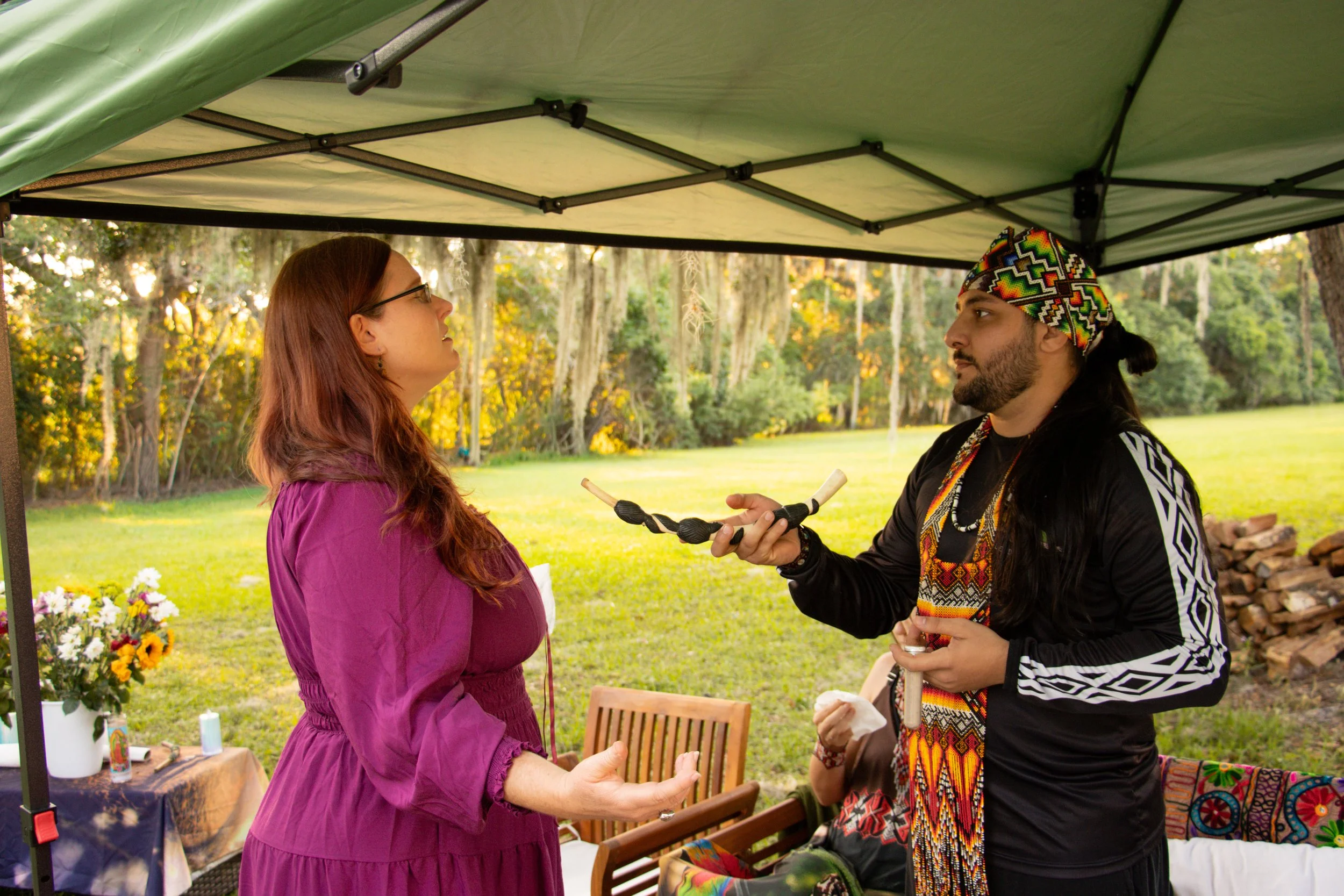
Mental Preparation
Cultivating a clear and focused mind helps you engage more deeply with the ceremony.
Set Your Intention: Spend time reflecting on what you hope to achieve, release, or discover during the ceremony. Write down your intentions to bring clarity and focus.
Reduce Mental Clutter: Limit exposure to social media, news, or anything that might disturb your mental peace.
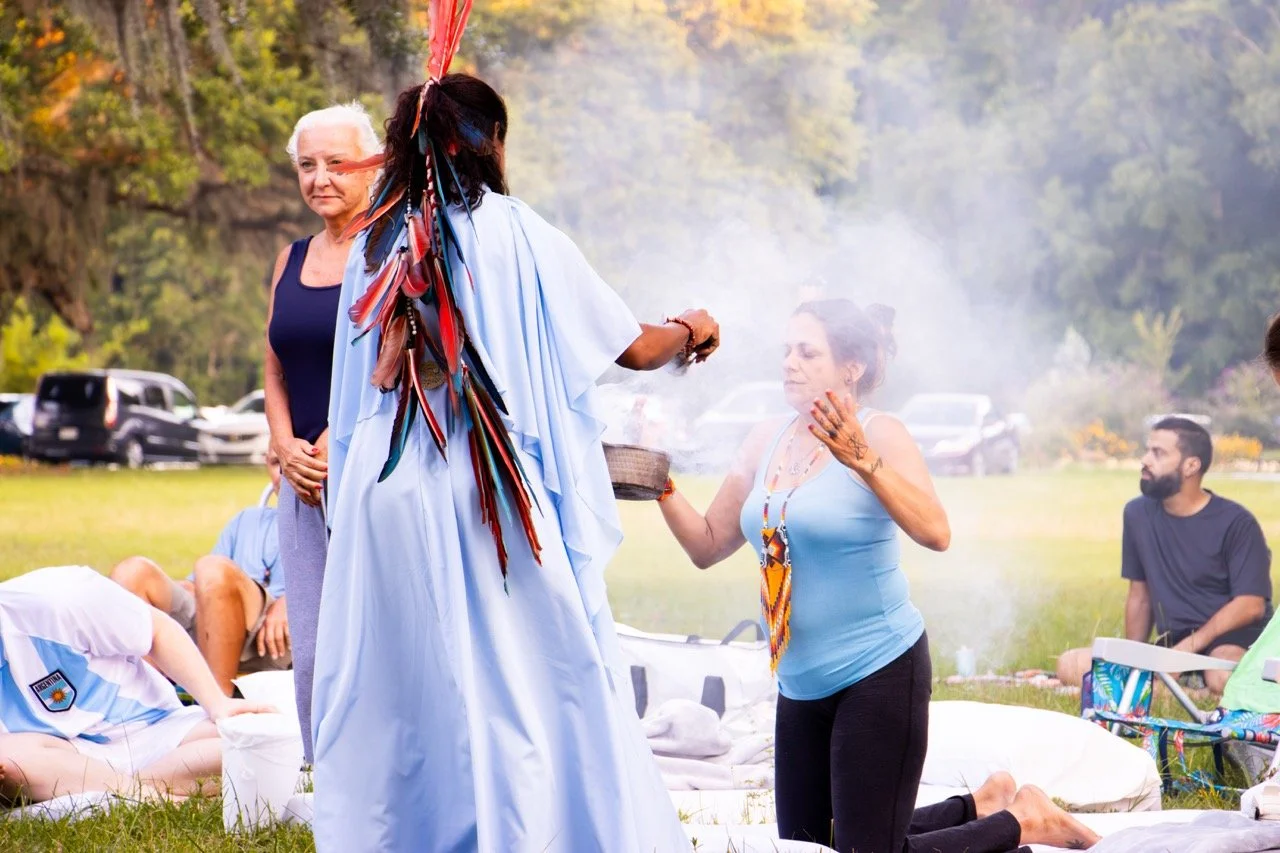
Spiritual Preparation
Approach the ceremony as a sacred ritual, with reverence and openness.
Meditation and Prayer: Dedicate time to meditation, prayer, or quiet contemplation. Focus on connecting with your higher self and the spirit of the sacrament.
Journaling: Record your thoughts, dreams, and feelings leading up to the ceremony to track your spiritual journey.
Gratitude Practice: Cultivate gratitude for the opportunity to heal and grow through this sacred experience.
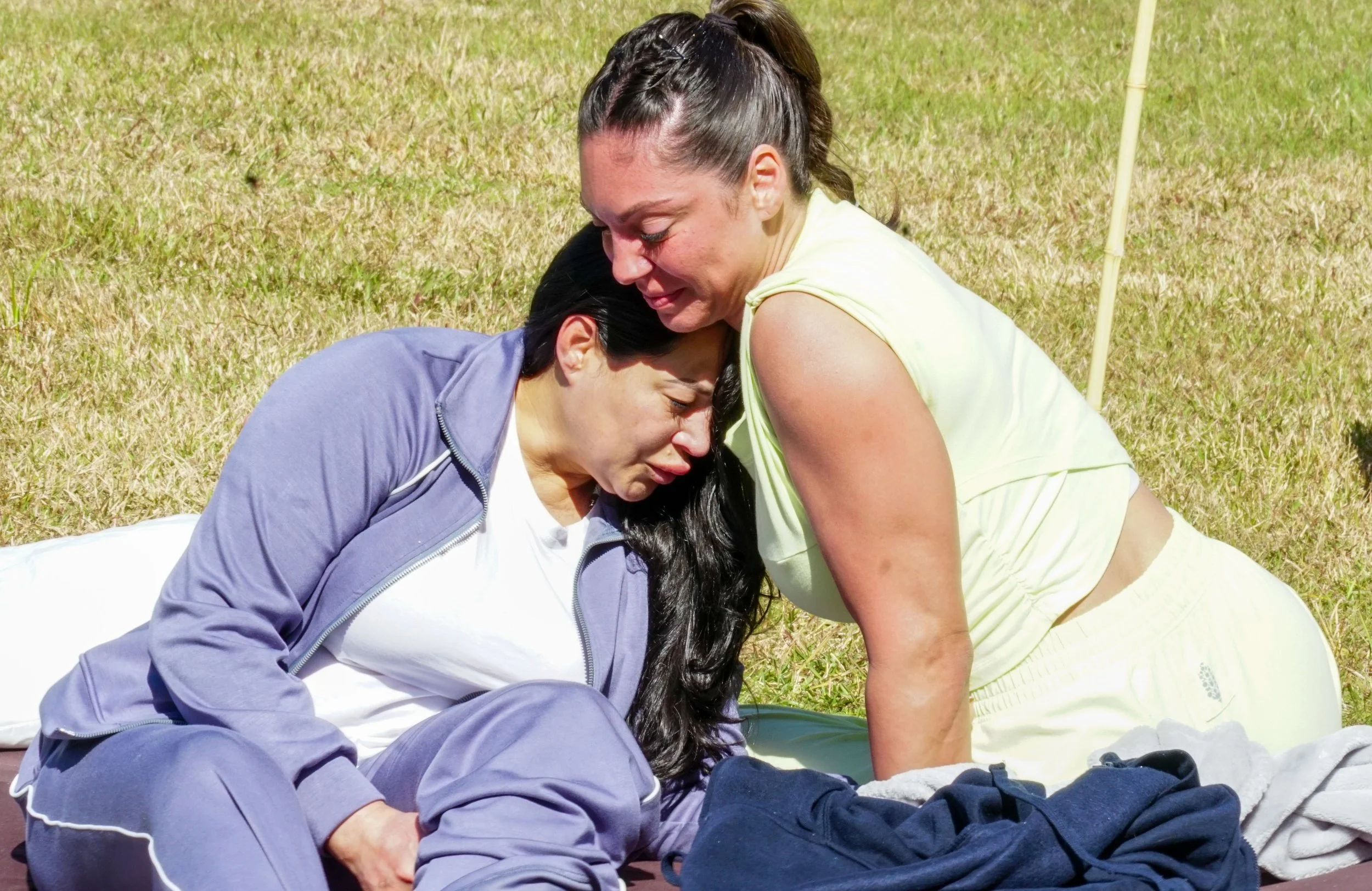
Emotional Preparation
Honoring your emotions and preparing to face them with courage is key.
Letting Go: Reflect on any fears, anxieties, or past traumas you may carry. Be open to the possibility of release and
transformation.
Support System: Share your journey with trusted friends, family, or facilitators for emotional support.